
Introduction
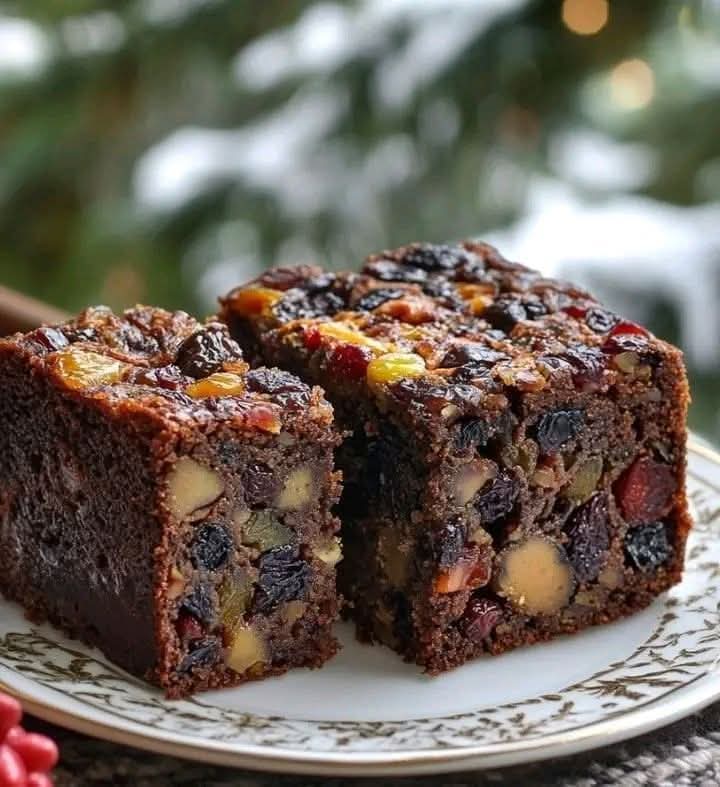
The Dark Old English Fruitcake is a timeless classic that has graced holiday tables for generations. This rich and flavorful dessert embodies the essence of the festive season with its dense, moist texture, and an abundance of dried fruits, nuts, and spices. This blog post aims to delve into the delightful history and cultural significance of this cherished cake, providing a comprehensive guide to baking and enjoying this delectable treat. From its origins to nutritional information, we will explore every facet of this remarkable dessert, ensuring you have all the knowledge needed to create a perfect fruitcake that will become a beloved tradition in your own home.
Origin and Cultural Significance
The origin of the Dark Old English Fruitcake can be traced back to ancient Rome, where a similar recipe was made with pomegranate seeds, pine nuts, and barley mash. The modern fruitcake as we know it began to take shape in the Middle Ages when dried fruits, honey, and spices were added to the mix. Over time, it evolved into a symbol of celebration and festivity, becoming an essential part of English holiday traditions. This cake’s cultural significance extends beyond its delicious flavor; it represents a connection to the past, a link to family heritage, and a symbol of holiday cheer. In England, fruitcake is often enjoyed during Christmas and wedding celebrations, showcasing its enduring appeal and timeless charm.
Ingredients Quantity
For a perfect Dark Old English Fruitcake, it’s crucial to have the right quantities of ingredients. Here’s what you’ll need:
- 1 cup unsalted butter, softened
- 1 cup brown sugar
- 4 large eggs
- 1 ½ cups all-purpose flour
- 1 teaspoon baking powder
- 1 teaspoon cinnamon
- ½ teaspoon nutmeg
- ¼ teaspoon cloves
- ¼ teaspoon salt
- 1 cup dark molasses
- ¼ cup brandy or orange juice
- 2 cups mixed dried fruits (raisins, currants, sultanas)
- 1 cup mixed candied peel
- 1 cup chopped nuts (walnuts or pecans)
Optional Additions
To make your fruitcake even more special, consider adding some optional ingredients:
- ½ cup chopped dried apricots or figs for extra sweetness and texture.
- ¼ cup crystallized ginger for a spicy kick.
- A few tablespoons of orange or lemon zest to add a citrusy brightness.
- 1 teaspoon vanilla extract or almond extract for additional depth of flavor.
These additions can personalize the cake and make it uniquely yours.
Tips for Success
Baking a perfect fruitcake requires attention to detail and a few handy tips:
- Soak the Fruits: Soaking the dried fruits and candied peel in brandy or orange juice overnight ensures they are plump and flavorful.
- Preheat the Oven: Always preheat your oven to the correct temperature to ensure even baking.
- Use Room Temperature Ingredients: This helps in achieving a smooth and uniform batter.
- Mix Gently: When combining the ingredients, mix gently to avoid overworking the batter, which can result in a dense cake.
- Bake Low and Slow: Baking at a lower temperature for a longer time ensures the cake is cooked through without burning.
- Store Properly: Wrap the cooled cake tightly in parchment paper and foil, and store it in an airtight container to let the flavors mature.
Instructions and Description
- Prepare the Fruit: Soak the dried fruits and candied peel in brandy or orange juice overnight to enhance their flavor.
- Preheat the Oven: Preheat your oven to 300°F (150°C). Grease and line a 9-inch round cake pan with parchment paper.
- Mix the Batter: In a large bowl, cream the butter and brown sugar until light and fluffy. Beat in the eggs one at a time, ensuring each is fully incorporated.
- Combine Dry Ingredients: In a separate bowl, whisk together the flour, baking powder, cinnamon, nutmeg, cloves, and salt.
- Mix Everything Together: Gradually add the dry ingredients to the creamed butter mixture, alternating with the molasses. Gently fold in the soaked fruits, candied peel, and nuts.
- Bake: Pour the batter into the prepared cake pan. Smooth the top and bake for 2 to 2 ½ hours, or until a toothpick inserted into the center comes out clean.
- Cool and Store: Let the fruitcake cool in the pan for 10 minutes before transferring it to a wire rack to cool completely. Wrap it tightly in parchment paper and foil. Store it in an airtight container for a few weeks to let the flavors mature.
Nutritional Information
The Dark Old English Fruitcake is a dense and rich dessert, and it’s important to be mindful of its nutritional content. Here’s an approximate breakdown per serving (1 slice):
- Calories: 350
- Total Fat: 15g
- Saturated Fat: 8g
- Cholesterol: 80mg
- Sodium: 150mg
- Total Carbohydrates: 50g
- Dietary Fiber: 2g
- Sugars: 35g
- Protein: 4g
This fruitcake is high in calories and sugar, so it’s best enjoyed in moderation. However, it’s also a great source of energy and can be a satisfying treat during the festive season.
Conclusion and Recommendation
In conclusion, the Dark Old English Fruitcake is a delightful and traditional holiday treat that brings together a rich tapestry of flavors and textures. With its deep historical roots and cultural significance, it is more than just a cake; it’s a celebration of heritage and festivity. By following this detailed guide, you can create a fruitcake that will become a cherished part of your holiday traditions. We recommend serving this cake with a hot cup of tea or coffee, or even a glass of brandy for an extra touch of indulgence.
Embracing Healthful Indulgence
While this fruitcake is undeniably rich and indulgent, there are ways to make it a bit healthier without sacrificing flavor. Consider using whole wheat flour instead of all-purpose flour, reducing the amount of sugar, and adding more nuts and dried fruits for extra fiber and nutrients. Additionally, portion control is key—enjoying smaller slices can help you savor the flavors without overindulging. Embracing healthful indulgence means finding a balance between treating yourself and maintaining a mindful approach to eating, ensuring that you can enjoy this festive delight guilt-free.
Conclusion
By exploring the history, cultural significance, and culinary delights of the Dark Old English Fruitcake, we’ve journeyed through a beloved holiday tradition that continues to bring joy to many. Whether you’re a seasoned baker or trying your hand at this recipe for the first time, the tips and instructions provided will guide you in creating a masterpiece. Enjoy the process of making this cake, and even more so, enjoy the moments shared with loved ones as you indulge in this festive treat.
Happy baking and happy holidays