
The Truth That Shocked Social Media Users
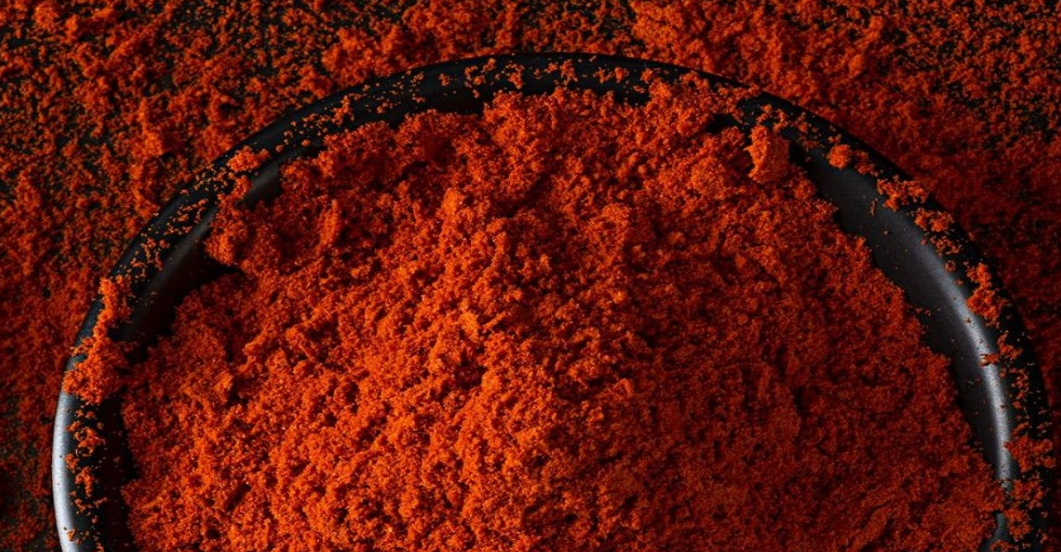
Paprika — the brilliant red spice found in kitchens around the world — recently became a hot topic on social media, causing widespread surprise. Many users were stunned to discover what paprika is truly made of. What was assumed to be a mysterious spice derived from an exotic source turned out to have a surprisingly simple origin. Let’s unravel the facts behind what paprika is made of, and explore the process, ingredients, culinary role, and how you can make paprika at home.
Paprika Is Just Ground Red Capsicum — And That Surprised Everyone
Social media platforms recently exploded with reactions when users learned that paprika is made from ground red capsicum (bell peppers). For many, the spice had always carried an aura of mystery. The idea that it might come from a “paprika tree” was surprisingly widespread.
An Australian Instagram influencer from Nutra Organics commented:
“Learning that paprika is just dried and crushed red capsicum was really shocking. I don’t know why I thought there was a paprika tree somewhere.”
Reactions like “Mind blown!” and “I had no idea!” flooded platforms like Instagram, Reddit, and TikTok. This unexpected revelation sparked a deeper curiosity about paprika’s production and usage.
The Real Ingredients of Paprika
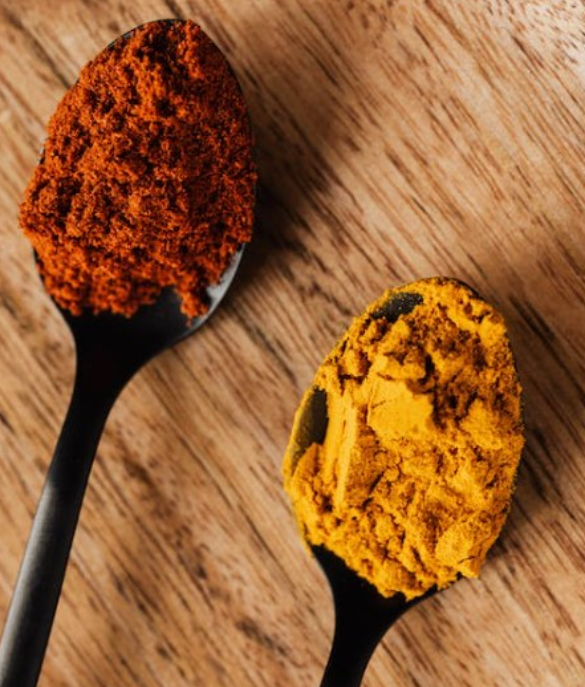
Paprika is made from a specific variety of sweet red peppers, often referred to as capsicum annuum. These peppers are milder and sweeter than chili varieties and are chosen for their rich flavor and vivid color.
The peppers used for paprika are:
- Harvested at full ripeness, when they are bright red
- Naturally sweet with minimal heat
- Dried completely to preserve flavor and color
- Finely ground into powder form
There are no additional ingredients, no chemical enhancements, and definitely no mythical spice trees involved. What makes paprika truly unique is the quality of peppers used and the drying and grinding techniques.
How Is Paprika Made? Step-by-Step Production Process
The process behind paprika production is straightforward but requires attention to detail. Here’s how it’s done:
1. Selection of Peppers
The process begins with selecting ripe red capsicum peppers, which are fully matured and rich in flavor. These peppers have the best sweetness and bright coloration, which are essential for quality paprika.
2. Drying the Peppers
Drying is a crucial stage. The peppers can be:
- Air-dried under the sun, traditionally in open spaces
- Smoke-dried, especially in Hungarian and Spanish varieties for added flavor
- Dehydrated using modern machines for efficiency
This process can take several days to weeks, depending on the method and climate.
3. Grinding into Fine Powder
Once dried, the peppers are carefully ground. The grinding must be uniform to produce a fine, smooth powder. This is the final product known as paprika.
Some variants may use slightly spicier peppers or blend in chili peppers for added heat, resulting in hot paprika. Others, like smoked paprika, are made by drying peppers over wood fires for a deep, smoky flavor.
Types of Paprika: Not All Are Created Equal
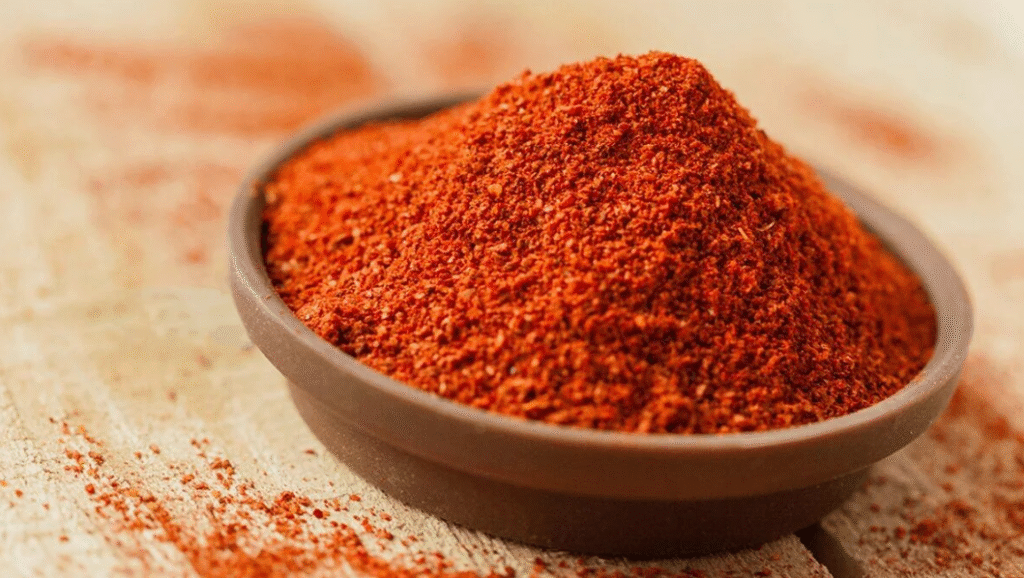
Different regions have developed distinct types of paprika, depending on the peppers and techniques used:
- Hungarian Paprika – Often considered the finest, it ranges from mild and sweet to hot and spicy.
- Spanish Paprika (Pimentón) – Known for its smoky flavor, available in sweet, bittersweet, and hot versions.
- Domestic or Sweet Paprika – Typically mild, made from standard red bell peppers.
Each type brings a unique character to dishes, depending on the heat level, sweetness, and smokiness.
Can You Make Paprika at Home? Yes, Easily
One of the most surprising and empowering facts is that anyone can make paprika at home. Here’s how:
Homemade Paprika Recipe
Ingredients:
- Ripe red bell peppers (capsicum)
Steps:
- Wash and dry the peppers thoroughly.
- Slice into thin strips, removing seeds and stems.
- Dry the strips in a dehydrator, oven at low heat, or by air-drying in sunlight.
- Once fully dried and crisp, grind them using a spice grinder or food processor.
- Store the powder in an airtight container away from light and moisture.
This DIY method produces pure, chemical-free paprika that rivals store-bought brands. It’s an excellent way to personalize your spice blend and avoid additives.
Paprika’s Role in Cooking and Cuisine
Despite the surprise surrounding its origin, paprika remains one of the most cherished spices in the world. Its deep red hue and sweet, earthy flavor add complexity and beauty to countless dishes.
Culinary Uses of Paprika:
- Seasoning for meats and vegetables
- Base flavor in stews, soups, and sauces
- Rub for grilled or roasted dishes
- Garnish for color and mild heat
- Essential in spice blends like chili powder, BBQ rubs, and curry mixes
In Hungarian goulash, Spanish chorizo, deviled eggs, and even potato chips, paprika’s versatility makes it indispensable.
Nutritional Benefits of Paprika
Beyond flavor, paprika is rich in antioxidants, vitamins, and minerals, including:
- Vitamin A – Supports vision and immunity
- Vitamin E – Protects cells from oxidative stress
- Capsaicin (in hot paprika) – Offers anti-inflammatory benefits
- Iron and Magnesium – Aid in blood production and nerve function
Incorporating paprika into your meals adds not just taste, but also nutritional value.
Why the Misconception? The Paprika Tree Myth
The idea that paprika comes from a unique “paprika plant” or tree likely stems from a lack of information about spice production. Unlike herbs such as basil or thyme that are visibly grown and harvested, spices undergo more intensive processing, often leading to confusion about their origin.
The reality is simple: paprika is just the result of dried and ground red capsicum peppers — no trees involved.
Final Thoughts: Embrace the Simplicity Behind Paprika
The shock many experienced on social media is a reminder of how little we often know about what goes into our food. The truth behind what paprika is made of may be surprisingly simple, but that doesn’t make it any less impressive.
Whether store-bought or homemade, paprika continues to be a flavorful, vibrant staple that elevates dishes across cultures and continents. Its natural sweetness, versatility, and bold color make it irreplaceable.
So, the next time you shake paprika over your eggs or stir it into your stew, remember: you’re enjoying the humble brilliance of dried, ground red peppers — a spice with a simple origin and a powerful impact.